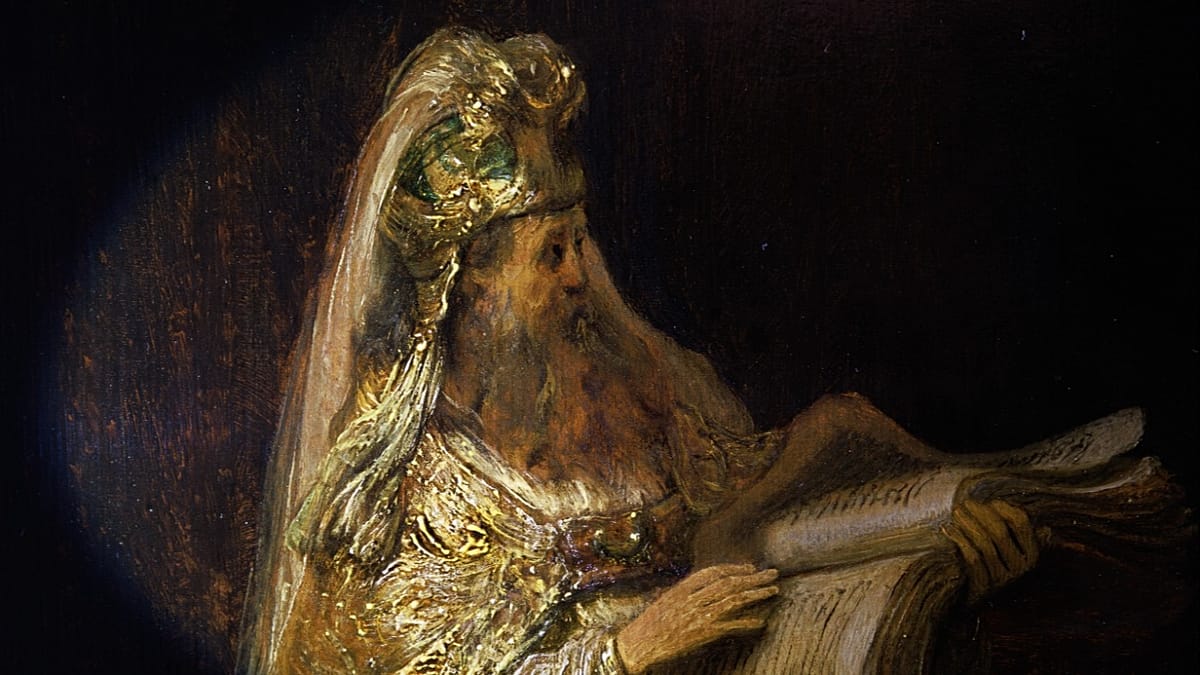
Unveiling Rembrandt: The Master's Self-Portraits and Techniques
Rembrandt van Rijn, the undisputed master of the Dutch Golden Age, continues to captivate art enthusiasts centuries after his brush first touched canvas. His prodigious output, characterized by profound psychological depth and revolutionary use of light and shadow, cemented his place in art history. Among his most compelling works are his self-portraits – a remarkable collection that offers an unparalleled window into the soul of an artist and the evolution of a man. To truly grasp the genius of Rembrandt, and to witness these masterpieces firsthand, a visit to a premier `niederländisches museum rembrandt` in Amsterdam is an absolute must.
The Soul in Reflection: Rembrandt's Self-Portraits
No other 17th-century artist explored the genre of self-portraiture with such intensity and frequency as Rembrandt. Far from mere vanity, these works served as a lifelong laboratory for artistic experimentation and profound self-examination. Rembrandt found in himself the most patient, inexpensive, and readily available model. This allowed him to practice endlessly, refining his drawing, etching, and painting techniques, particularly his ability to render powerful contrasts of light and capture subtle shadows.
Through these self-portraits, Rembrandt gives us a glimpse into his own soul, revealing his doubts, fears, and hopes. His capacity to capture the inner workings of his subjects through their facial expressions was unparalleled, and he honed this skill by scrutinizing his own visage. He would make various faces before a mirror, meticulously studying how to convey the full spectrum of human emotions. This deep understanding of the human psyche is what makes his portraits, particularly those of himself, some of the most revealing and intimate images ever created. As a result, Rembrandt’s portraits continue to resonate with viewers, reflecting our own humanity back at us across the centuries.
Consider the youthful Rembrandt, an artist already experimenting fearlessly. In some early self-portraits, the light dramatically rakes across his right cheek, while the rest of his face is enveloped in shadow – a bold play on chiaroscuro that immediately draws the viewer in. He accentuated the curls of his tousled hair by even drawing into the wet paint with the butt end of his paintbrush, showcasing an early adventurous spirit.
Later in life, we see the culmination of this lifelong practice. In his
Self-portrait as the Apostle Paul (1661), Rembrandt, at 55, looks at himself with a candid, almost weary wisdom. Here, he assumes the guise of a revered biblical figure, complete with the customary attributes of a sword protruding from his cloak and a manuscript in his hands. By using his own familiar face, Rembrandt encouraged the viewer to engage personally and intimately with the saint, bridging the gap between historical figure and contemporary experience. These works are not just portraits; they are chronicles of a life lived, a mind constantly observing, and a spirit endlessly striving for truth in art.
Mastering Light, Shadow, and Emotion: Rembrandt's Techniques
Rembrandt's relentless dedication to self-portraiture was instrumental in the development of his groundbreaking techniques. His mirror became his greatest teacher, allowing him to perfect:
*
Chiaroscuro: The dramatic use of strong contrasts between light and dark, usually bold contrasts affecting a whole composition. This technique allowed him to sculpt forms, create depth, and evoke powerful emotions.
*
Sfumato: Although more associated with Leonardo da Vinci, Rembrandt adopted a soft, hazy quality, especially in later works, to create atmospheric effects and subtle transitions between colors and tones.
*
Impasto: Applying thick layers of paint to create texture and a three-dimensional effect. This is particularly evident in his treatment of hair, skin, and fabric, giving his subjects a palpable presence.
*
Psychological Realism: His ability to delve beyond mere physical likeness to capture the inner emotional state and personality of his subjects. This was honed through endless study of his own expressions.
He practiced rendering powerful contrasts of light and capturing subtle shadows, understanding how they could convey mood and character. His ability to convey all manner of emotions through facial expressions was paramount. Beyond his painted works, Rembrandt was also a prolific and innovative printmaker. He produced his etchings indoors in his workshop, yet his observations were no less telling. He masterfully translated the vibrant life of Amsterdam's streets onto copper plates – from the poignant posture of a beggar couple to the distinctive gait of a poor wretch with a wooden leg, seemingly captured mid-call. These observations, refined in the quiet of his studio, speak volumes about his profound engagement with humanity.
Furthermore, Rembrandt often used himself to explore various roles and characters, garbed in old-fashioned 16th-century clothes or biblical dress. This allowed him to experiment with costume, narrative, and historical portrayal, enriching his artistic vocabulary. As Rembrandt himself wisely stated, "Practice what you know, and it will help to make clear what you do not know." This philosophy underpinned his entire artistic journey.
Where to Immerse Yourself: The Premier Niederländisches Museum Rembrandt Experiences
To truly appreciate the depth and breadth of Rembrandt’s artistry, a visit to Amsterdam, his home for many years, is indispensable. Here, two institutions stand out as essential `niederländisches museum rembrandt` destinations, each offering a unique perspective on the master.
The Rijksmuseum: Home to Iconic Masterpieces
As the most visited museum in Amsterdam, the **Rijksmuseum** houses an unparalleled collection of Dutch art and history, with Rembrandt at its very heart. Visitors can stand before his most famous masterpiece,
‘The Night Watch’, a monumental work that redefined group portraiture with its dramatic dynamism and innovative use of light. Beyond this iconic piece, the museum also displays
‘Landscape with a Stone Bridge’, showcasing his less-known but equally masterful landscape skills, and crucially, many of his compelling self-portraits. To witness the original works of such a genius is an awe-inspiring experience.
Practical Tip: To make the most of your visit, consider taking an audio guide or joining a guided tour focused specifically on the Dutch Masters. This will provide deeper insights into the context and techniques behind Rembrandt's works. You can find more comprehensive details for planning your trip to both iconic locations in our guide:
Rijksmuseum & Rembrandthuis: Your Guide to Rembrandt in Amsterdam.
The Rembrandthuis (Rembrandt House Museum): Step into His World
For an intimate journey into the artist’s daily life and creative process, the **Rembrandthuis** is an absolute gem. This beautifully preserved house, located on Jodenbreetstraat in Amsterdam, was Rembrandt's actual living and working quarters for many years. It offers an unparalleled insight into his studio practice, allowing visitors to feel the atmosphere in which he created many of his masterpieces.
The museum’s collection includes Rembrandt’s personal items, an extensive display of his etchings, and a fascinating collection of 17th-century art. Temporary exhibitions often host works by Rembrandt himself, his contemporaries, and his (contemporary) followers, providing fresh perspectives. It is unequivocally the best place to learn more about this excellent artist, offering a tangible connection to his world.
Practical Tip: Don't miss the live demonstrations of etching and paint preparation, which truly bring Rembrandt's techniques to life. Exploring the reconstructed studio gives you a sense of the challenges and environment of a 17th-century artist. For a deeper dive into this historical treasure, read our article:
Inside Rembrandt's World: Life and Art at the Rembrandthuis Museum.
Beyond the Canvas: Rembrandt's World and Legacy
Rembrandt's art was deeply rooted in the world around him. He derived much inspiration from the figures he came across outdoors, drawing from the rich tapestry of Amsterdam life. While he executed his prints and paintings in his workshop, his keen observations of everyday people – from the humble peasant to the bustling figures in the Red Light District (a testament to his engagement with all facets of Amsterdam life) – infused his work with unparalleled authenticity. He was a man of his time, deeply connected to the human experience in all its forms.
His self-portraits, in particular, remain powerful because they speak to a universal human experience of introspection and evolution. From the raw ambition of youth to the contemplative wisdom of old age, Rembrandt charted his own journey with brutal honesty, inviting us to reflect on our own. His enduring legacy lies not only in his technical brilliance but also in his profound ability to connect with the human condition, making his art as relevant today as it was centuries ago.
Conclusion
Rembrandt van Rijn’s mastery of self-portraiture and innovative techniques forever changed the course of art history. His ability to capture the complex landscape of the human soul, using light, shadow, and a profound understanding of emotion, continues to captivate and inspire. To truly appreciate his genius, a journey to Amsterdam and its exceptional `niederländisches museum rembrandt` institutions – the Rijksmuseum and the Rembrandthuis – is an unforgettable experience. Here, you don't just see art; you step into the world of a master, witnessing the enduring power of his vision and his timeless connection to our shared humanity.