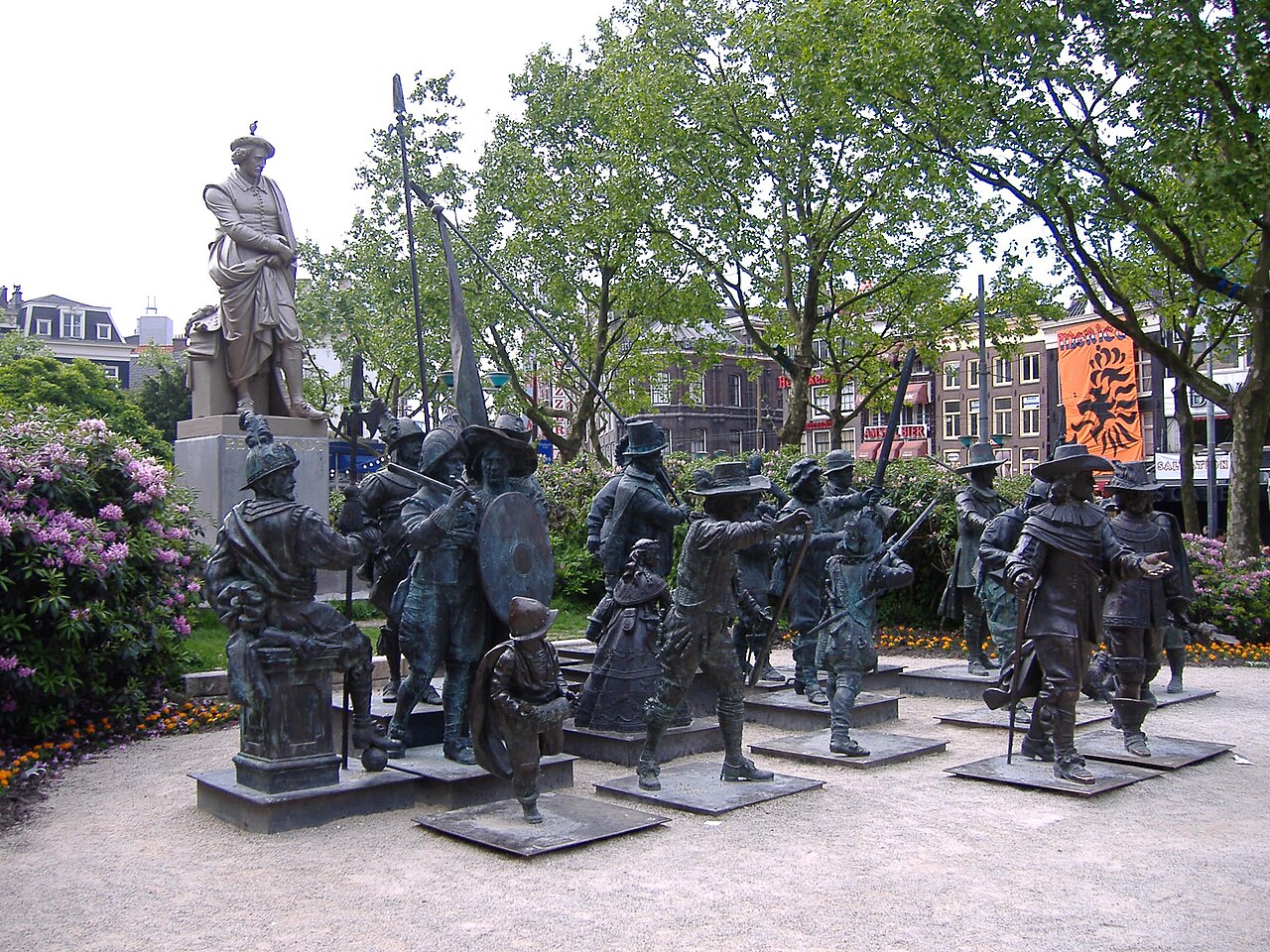
Rijksmuseum & Rembrandthuis: Your Guide to Rembrandt in Amsterdam
Amsterdam, a city steeped in history and artistic brilliance, offers an unparalleled journey into the world of one of its most celebrated sons: Rembrandt van Rijn. For art enthusiasts and history buffs alike, two institutions stand as pillars of his enduring legacy: the majestic Rijksmuseum and the intimate Rembrandthuis. These two destinations collectively form the ultimate *niederländisches museum Rembrandt* experience, providing a comprehensive look at the master's genius, from his grandest masterpieces to the minutiae of his daily life.
The Rijksmuseum: Witnessing Grandeur and Genius
As the most visited museum in Amsterdam, the Rijksmuseum is a treasure trove of Dutch art and history, with Rembrandt's works taking centre stage. Stepping into its hallowed halls is to enter the heart of the Dutch Golden Age, where the sheer scale and profound depth of his artistry become immediately apparent.
The undeniable star of the Rijksmuseum's collection is 'The Night Watch' (De Nachtwacht). More than just a painting, it's an immersive experience. This colossal masterpiece, depicting a civic guard company, captivates with its dramatic use of light and shadow, its dynamic composition, and the vivid individuality of each figure. Viewing 'The Night Watch' is not merely looking at art; it's a moment of direct engagement with history, a testament to Rembrandt's revolutionary approach to group portraiture. Spend time admiring the details, the textures, and the way he guides your eye through the bustling scene.
Beyond 'The Night Watch,' the Rijksmuseum proudly displays other significant works, including the atmospheric 'Landscape with a Stone Bridge,' which showcases Rembrandt's versatility beyond portraiture. Here, visitors can also marvel at several of his renowned self-portraits, each a window into the evolving psyche of the artist. The opportunity to see these original works, created centuries ago, offers an invaluable connection to Rembrandt's unparalleled skill and vision.
The Rembrandthuis: Stepping into the Artist's World
Just a short walk from the Rijksmuseum, in the vibrant Jewish Quarter on Jodenbreestraat, lies the Rembrandthuis (Rembrandt House Museum). This beautifully preserved 17th-century house was Rembrandt's home and studio for nearly two decades, from 1639 to 1658. While the Rijksmuseum presents his finished masterpieces on a grand scale, the Rembrandthuis offers an intimate and personal glimpse into the life and creative process of the artist himself. To fully appreciate the master's journey, consider visiting the Rembrandthuis first to lay the groundwork, then proceeding to the Rijksmuseum for the grand finale. For a deeper dive into the museum's offerings, read our related article:
Inside Rembrandt's World: Life and Art at the Rembrandthuis Museum.
Walking through his living quarters, you gain an unparalleled insight into his daily life, his domestic environment, and the world that shaped his genius. The meticulously reconstructed studio is a highlight, offering a fascinating look at 17th-century artistic practices. You can imagine Rembrandt at work, mixing pigments, grinding colours, and painstakingly applying brushstrokes in the very space where many of his iconic works were conceived.
The collection at the Rembrandthuis includes not only Rembrandt’s personal items but also an extensive display of his etchings. These prints reveal another facet of his mastery, demonstrating his deep understanding of human emotions and narratives through line and shadow. The museum also houses a collection of 17th-century art by his contemporaries, providing crucial context for his era. Additionally, temporary exhibitions frequently feature works by Rembrandt, his peers, and even contemporary followers, making it an ever-evolving tribute to his influence. Without a doubt, the Rembrandthuis is the best place to learn more about this excellent artist, providing a profound *niederländisches museum Rembrandt* journey through his personal narrative.
Rembrandt's Self-Portraits: A Journey into the Soul
One of the most compelling aspects of Rembrandt's oeuvre, brilliantly showcased across both museums, is his extraordinary series of self-portraits. No other 17th-century artist produced as many self-portraits, and for good reason: what model is as inexpensive, patient, and readily available as oneself? These works were not merely exercises in vanity; they were a continuous, profound exploration of technique, emotion, and identity.
Rembrandt used his own face as a canvas for endless experimentation. Peering into the mirror, he relentlessly perfected his drawing, etching, and painting techniques, mastering powerful contrasts of light and capturing subtle shadows. He would make "funny faces," learning to convey a vast range of emotions, from doubt and fear to hope and resolve. As he famously stated, "Practice what you know, and it will help to make clear what you do not know."
Through these self-portraits, Rembrandt offers us an intimate glimpse into his own soul. His ability to capture the inner workings of his subjects through their facial expressions is legendary, and nowhere is this more evident than in his depictions of himself. Whether it's the raw experimentation of his youth – where light rakes his right cheek while the rest of his face is enveloped in shadow, and he accentuates his tousled hair by drawing in wet paint – or the contemplative wisdom of his later years, such as the 'Self-portrait as the Apostle Paul' (1661) at the age of 55, where he candidly assumes a biblical guise with customary attributes, each portrait reveals a deep understanding of the human psyche. By using his own face in such roles, Rembrandt encouraged the viewer to engage personally with the saint, blurring the lines between artist, subject, and viewer. These works resonate with viewers centuries later, allowing us to see our own humanity reflected back. To delve deeper into this fascinating aspect of his work, explore
Unveiling Rembrandt: The Master's Self-Portraits and Techniques.
Beyond the Canvases: Inspiration and Insights
Rembrandt's genius wasn't solely born from introspection; he also drew immense inspiration from the vibrant tapestry of Amsterdam life around him. While he produced his prints and paintings indoors in his workshop, his observations from the streets, from the rich and poor alike, deeply informed his characters. The beggars, the peasants, and even the "poor wretch with the wooden leg" that he encountered outdoors, became subjects through which he explored the human condition.
It's also intriguing to note Rembrandt's connection to the broader city. Historical records indicate his presence even in the bustling, less refined areas of Amsterdam, like the surroundings of De Waag – one of the city's oldest buildings, located just a stone's throw from the Red Light District. This detail underscores his immersion in the city's diverse social fabric, illustrating that his art sprang from a keen observation of all aspects of life, not just the genteel. This blend of real-world observation and profound internal exploration is what lends his work such universal and timeless appeal.
Planning Your Ultimate Rembrandt Experience
To fully appreciate Rembrandt's legacy in Amsterdam, planning your visit to both the Rijksmuseum and the Rembrandthuis is essential.
1. **Combine Your Visits:** The two museums offer complementary experiences. We recommend starting at the Rembrandthuis for an intimate, personal context of the artist's life and workshop. Then, move to the Rijksmuseum to witness his grand masterpieces in their full glory, with a newfound appreciation for their creator.
2. **Book Tickets Online:** Especially for the Rijksmuseum, booking your tickets online in advance is highly recommended to save time and avoid queues, particularly during peak season.
3. **Allow Ample Time:** Dedicate at least 2-4 hours for the Rijksmuseum and 1.5-2 hours for the Rembrandthuis to ensure you can absorb the incredible art without feeling rushed.
4. **Optimal Visiting Hours:** Consider visiting both museums early in the morning or later in the afternoon to avoid the busiest crowds. Weekdays are generally less crowded than weekends.
5. **Location:** The Rembrandthuis is conveniently located on Jodenbreestraat, easily accessible by public transport or a pleasant walk from many central Amsterdam locations. The Rijksmuseum is situated at Museumplein, a central cultural hub.
Conclusion
Amsterdam serves as the ultimate pilgrimage site for anyone captivated by the genius of Rembrandt van Rijn. The Rijksmuseum showcases his monumental artistic achievements, particularly 'The Night Watch,' while the Rembrandthuis provides an unparalleled personal connection to the man behind the masterpieces, exploring his home, studio, and creative process. Together, these two institutions don't just display art; they invite you into a dialogue with history, offering a profound understanding of Rembrandt’s psychological depth, technical prowess, and enduring impact. A visit to these premier destinations is more than just a trip to a museum; it's an immersive journey into the soul of a true master, offering the definitive *niederländisches museum Rembrandt* experience.